
On Grief
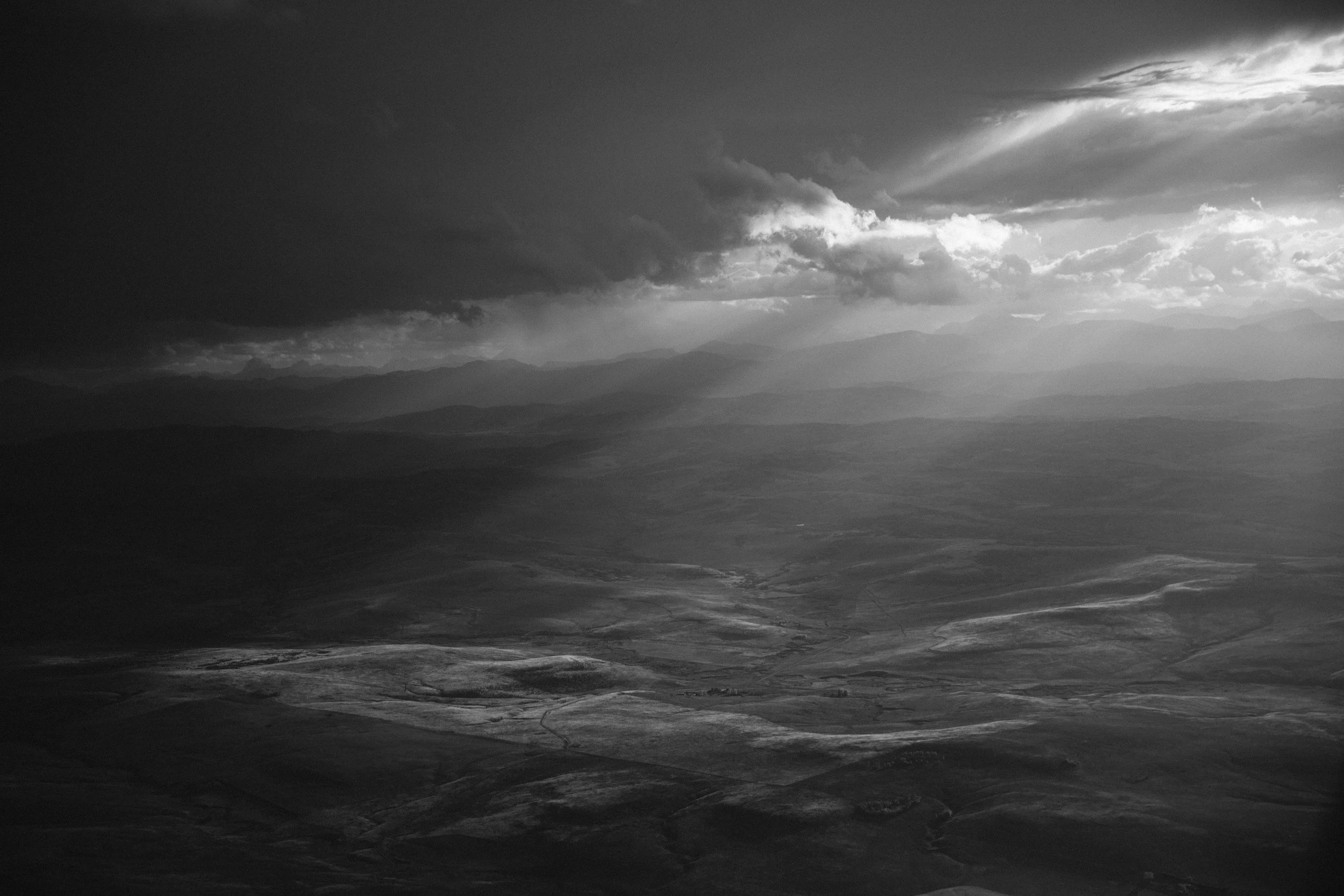
It’s been well over 2.5 months since I’ve written. The last time I was present enough to write was one month following my final skin removal surgery. At that point I was filled with hope, possibility and excited to see what the future would hold. But, as it turned out, which sometimes it does, God and the Universe had different plans. The plans have shifted, somewhat tremendously, for our entire family and everyone is finding their new normal. It’s also pretty safe to say that each of us does not even know what those words mean anymore.
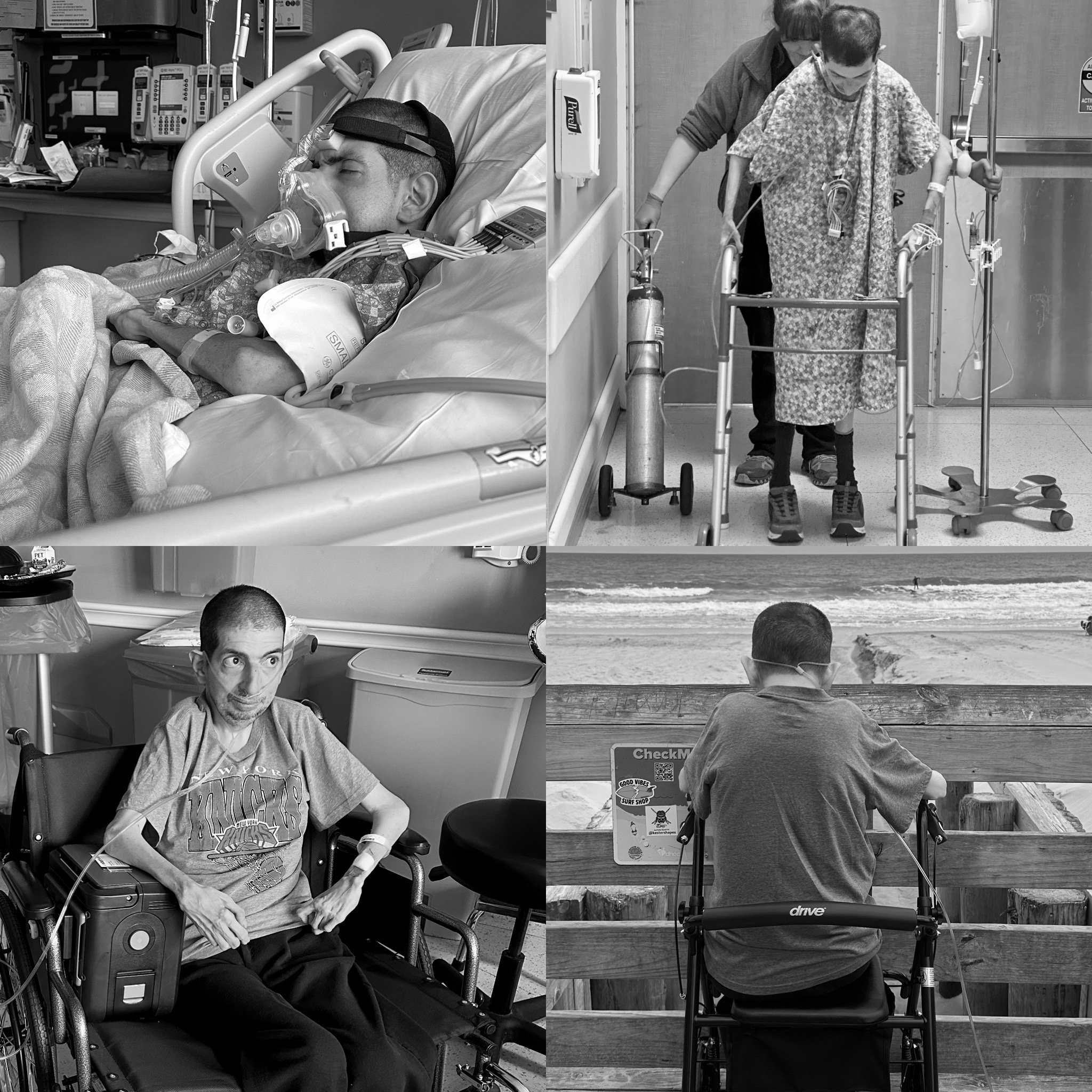
On April 24th I received a phone call that my brother Tommy was in ICU for reasons that were unknown in that moment. I was told that the care team was tracking a possible stroke and case of seizures. I flew down to South Carolina with a suitcase full of spandex and compression garments (still recovering from surgery), popped an asprin and boarded the plane. Over the course of 16 days, which included being moved into critical care, Tommy received a diagnosis of chronic respiratory failure and hypercapnia. Hypercapnia is when the body produces more carbon dioxide it can eliminate naturally. Carbon dioxide is effortlessly pushed out of our body through our every day breathing— well, for you and I— but in Tommy’s case, due to restricted breathing associated with his rheumatoid arthritis and a case of pneumonia— his blood gases became unmanageable by way of his own breathing. A normal CO2 reading is <45 mm HG and Tommy’s was up to 209 when he was admitted to critical care. He was in CO2 narcosis— aka a non-functional state where the brain stops working because the amount of carbon dioxide in the blood stops the brain from working. In these cases, individuals lose the ability to speak and wake up— essentially appearing as though they are in a coma. The body will occasionally thrash and flutter, the eyes can roll back into the head, some murmuring may occur— but the brain is not making any connections because the excess carbon dioxide acts like a narcotic that suppresses the brain. Tommy eventually woke up and started to breathe on his own by way of the daily and evening assistance of an AVAPS machine— this is a non-invasive ventilator that gives him fixed volume to aide his breathing and automatically adjusts pressure while he’s using it so his breathing is controlled, monitored and regulated. Tommy’s lungs are weak and the breaths he takes on his own are too shallow— especially while he sleeps— and this is what leads to the deadly carbon dioxide build up in his body.
This event didn’t come without shaking our world. Not without the further breakdown of my mother’s body and spirit— and an immediate decline in my fathers dementia—rearing its head with increased confusion, crying, combativeness and a cessation of daily living tasks that he was managing, at least partly, on his own. Shortly after this time we secured hospice care for my father. We are currently living in a home full of walkers, oxygen tanks, life saving breathing devices, diapers, social workers, chaplains, visiting nurses, therapists, palliative care, aides and volunteers. These humans are angels on earth and, yes, they work tirelessly to do what they are allowed to do— but the rest, and it’s a lot, is done through family caregiving. It’s full time unpaid labor.
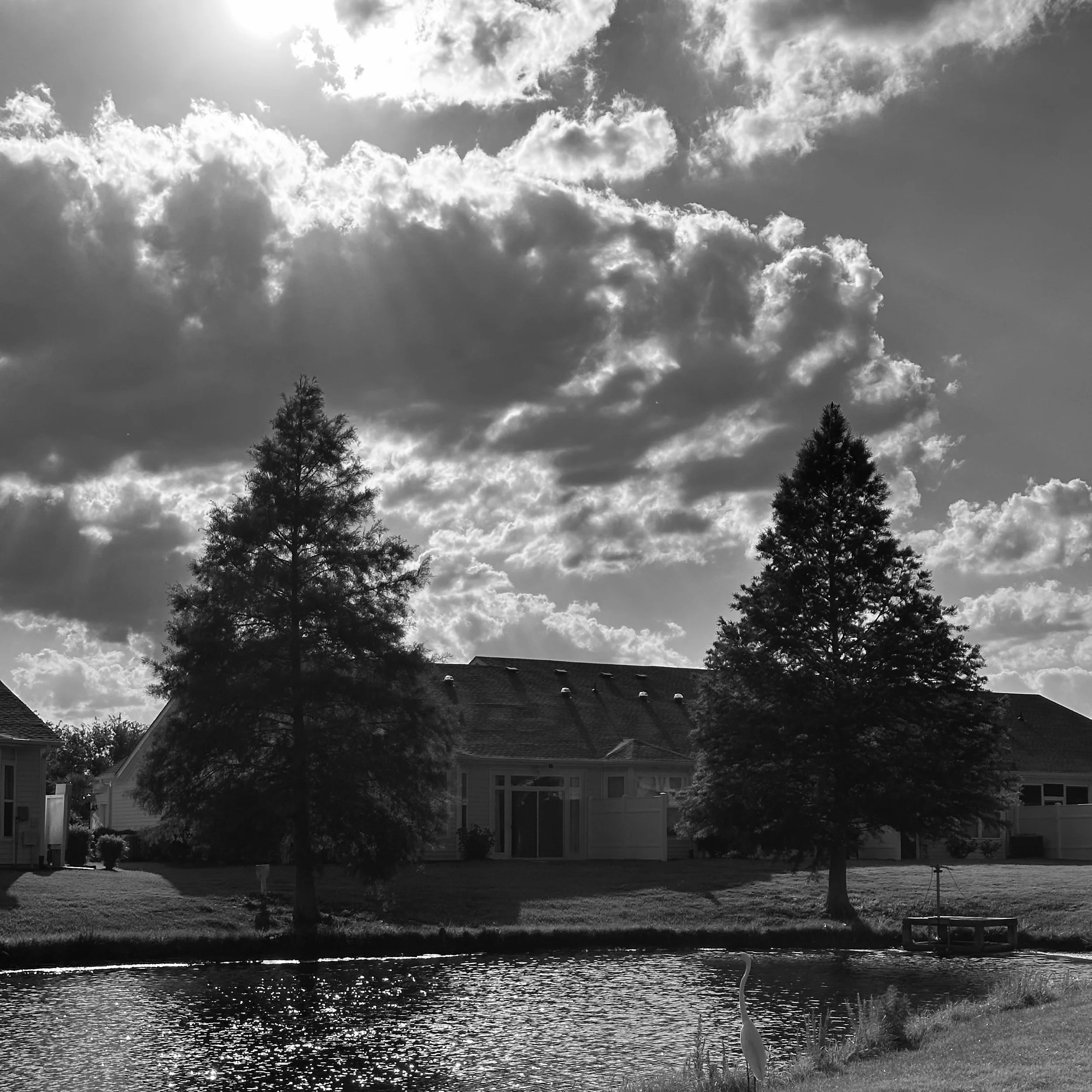
The day would inevitably come where I’d have to move closer to my parents. I wanted to. I semi-planned for it in the last two years, slowly letting go of my personal belongings and releasing the life I was building in Mexico. I thought I was going to move to Mexico, study yoga and teach, but it became clear that wouldn’t happen, at least not in the foreseeable future. Changing gears and accepting a slower life in service of my family would be the way forward given dad’s dementia and the lack of a primary driver in the house. But I don’t think we could have imagined that we would be where we are right now.
For the last 2.5 months I have been taking care of 3 adults, each with varying needs and conditions. Our days have been filled with falls, fighting, anger, less than God’s grace and with a grief that feels— in many hours— insurmountable. Seeing my mother’s loss of independence, day in and day out, laying in a recliner, helping her bathe, getting weaker and psychologically struggling has been emotionally crippling for the both of us. I stay awake at night wondering if she will get back to her baseline of cooking meals and doing laundry. She moves with pain and it’s visible. And though Tommy is making a very strong recovery, and he helps where he can, there are unspoken words and emotions that I feel him carry. My father sits in complete silence and doesn’t move or speak much in his waking hours. The house is heavy.
I orbit the space, every room in our former home, walking around their bodies and walking through and around the ghost of my self. I cook alongside her and I feel the joy I’ve lost in cooking— the very art that saved my life. Most days lead to an inevitable return to my childhood in a different body, but a mind that can time travel back to the weight of feeling responsible to others and myself— even from a young age.
The constant cooking, cleaning, bed making, laundry, pill maintenance and negotiations, arguments, scheduling, losing paperwork and devices, then finding them again— reviewing bank accounts and bills, calling lawyers and doctors offices— driving to and from doctors appointments, falls and calls to 911, asking “What do you need? What can I get you? Ae you comfortable? Are you hungry? Have you eaten?”— remembering to lock and unlock the refrigerator, to prepare food that can be left out if I need to leave, varying moods, daily stomach aches and challenges— is constant emotional, mental, spiritual and physical labor.
Everyday is the same exact day, but also wholly different. The day revolves around care and within the boundaries of my fathers world. Daily, I watch my mother struggle to see her husband fade away. I watch my brother sit in his own uncertainty and fear of seeing his caregivers lose their abilities— at least that’s my interpretation of the booming quiet that fills our living room— the air thick with anticipation and grief. We’re all losing parts of one another and we are reminded every morning when we rise again. Then there is me, the booby prize that everyone is stuck with. The human glue stick filled to the brim with her own fears— trying to hold things together. Sometimes I feel as though I’ve been swallowed whole.
Caregiving is the hardest work I’ve ever been challenged to do. It is more than service, it is giving life to others, a life you had— the energy, the time, the emotion, parts of your own health— your mind and your heart. Most days it feels impossible— and it is infinitely more difficult than any job I’ve previously had or career change I’ve attempted. It is lonely. It completely changes your mood and affect. It is riddled with guilt over feeling your own feelings. It is a psychological journey to live in your family home as an adult who has grown, left and changed— yet feel scared, unchanged and full of trauma that you believed you’d escaped forever.
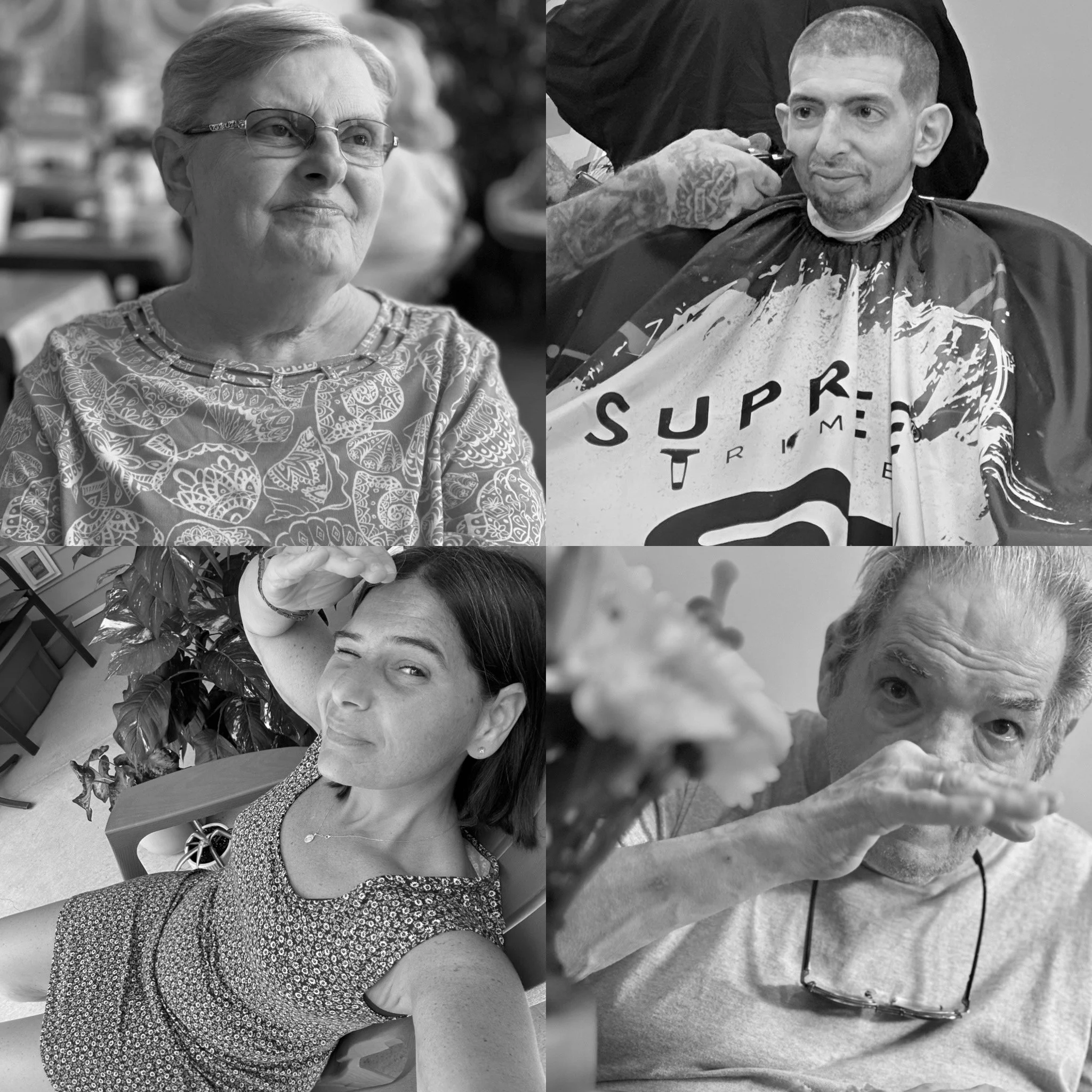
Months ago when I was writing to you, I was ready to join my mother and brother in support of my father. I imagined my mother and I taking drives, getting her out of the house— rebuilding a childhood I didn’t have with her. I imagined car rides with my brother, working on our relationship, movies, lunches and laughter. I imagined playing games with my father, taking him out for ice cream and listening to Elvis. Roles have changed, emotions are wild because we only have so much left to give one another— to ourselves— yet we wake up and do it the next day— all over again. It takes more than a mindset shift. It takes giving oneself an extraordinary amount of grace to feel pain and to be imperfect.
I’ve been given the advice to eat well and exercise— which I do— to trust that things will get better. All things I know. There is an undeniable grief that comes with caring for your family and living with them. A grief that has more dimensions than I can express. It comes with mourning the life you had, the life you wanted, the dreams that felt so close— along with letting go of everything you thought would be true for you. Every part of your life as you once knew it sits in the unknown. It comes with the weight of uncertainty and anticipation of what will happen next. It comes with being an adult and understanding that your parents are human— full of flaws and lives with deep pain and insecurities that existed long before you did. It comes with carrying their very stories in your body and seeing them struggle. It comes with your own personal struggle to excise those very demons. It means embracing feeling helpless in the wake of their needs, aging and varying inability— and your own unmet needs. And in a moment of light— in my father setting the table one day, there is a deafening silence in the next.
It’s a beautiful kind of torture.
Although I am writing this, I know that I am privileged to have them— to love them— to usher them through a time that is, in fact, temporary, though it feels never ending. I am also exhausted. I miss my friends. I miss my life as I knew it. I miss parts of her, of me. I feel lost. And leaving the house for 45 minutes does not bring me or those parts back. This is a new normal. And it also requires holding space for feelings from our past with our families—in often unspoken stories saved for therapy and journals, that resurface and show up in every day acts of living. I love them. I wouldn’t be here if I didn’t. I wouldn’t be here if I didn’t have an intellectual and emotional understanding of my parents’ and brothers’ complexities— but knowing has not made this easier to process. Love is not the absence of anger and frustration— and all of the ugly emotions we want to avoid and bury because emotions and the truth are scary. Love is the presence and acknowledgement of the complete and utter messiness of life. It is recognizing the disaster and waking up to confront it again. It’s vacillating between forgiveness and hate. It’s talking about it again, not resolving any of it and still feeling the love and grief mingle inside of your heart and soul while it tries to suffocate you.
We can’t out run love or grief. They have to chew and swallow us up; spit us out and do it again tomorrow. It’s their job. And our unfortunately gorgeous life work is to navigate through every single challenge they present in all of their torture and triumph— without getting stuck in our own, personal, lifelong narratives of pain and loss. These are triumphs we will not see or understand until we are a multitude of years beyond living through these experiences and we find ourselves alone, sitting by a window, washing dishes, folding laundry— and finally understanding some of, likely not all of it. I’m nowhere near understanding. I’m living it. The years left ahead of me— completely unknown. I don’t know how any of this will unfold. I’ve been told to stay present, and some days are better than others, but the grief looms. It whirls around me like a soft wind, always present, reminding me of what will inevitably come to pass and what may never come at all.
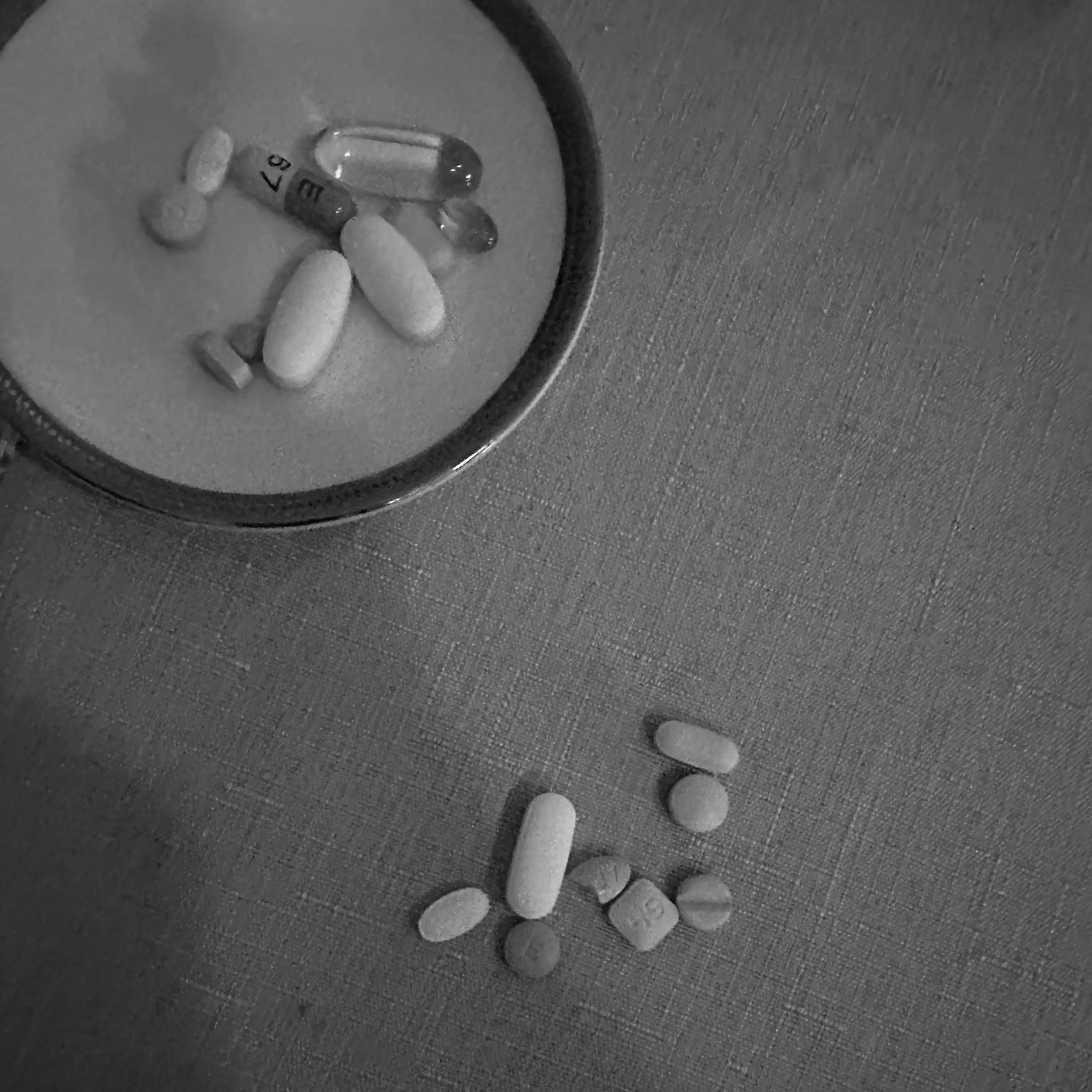
While I’ve been told that I can handle this and that no one could do this for my family but me, I know it’s true, but it doesn’t give me any resolve. I’ve always been responsible— well able. I’ve changed my life. I’ve changed my health. I’ve lost 153 pounds on my own and had my body sliced open on 4 occasions in the last 15 months. My advice if you’re looking to support someone who is caregiving— please do not tell them "You can do it” or “It’s not forever.”
While our lives are rapidly changing, focusing on what’s to come can feel like a nearly impossible feat. Hope wanes and your left with what you know, which is that every day is a new kind of hard. Caregiving, aging, and changes in family health are an ongoing process. Daily, I see my mother sitting in a recliner, taking medication and waiting for doctors answers while my father plays peek-a-boo and then falls asleep. My brother carries a longing in his big, beautiful, brown eyes that I try to look in to often— envious of his long lashes and full brows— his frustration from living a life on medications and machines is palpable. I can’t take any of it away. I will never change it. The air is thick in our home. Thick with our individual stories. And I cannot uplift myself or them— not in this exact moment. I can only be with each of them in small ways— in sitting next to my mom and eating a nectarine while the sunlight filters through the curtains and hits her face— reminding me how flawless he skin still is— in giving my father a cookie with his espresso and folding plastic bags in an effort to see him do anything but sleep— in an afternoon ride with Tommy, even if it’s completely silent, to get him some relief from being in the house all day.
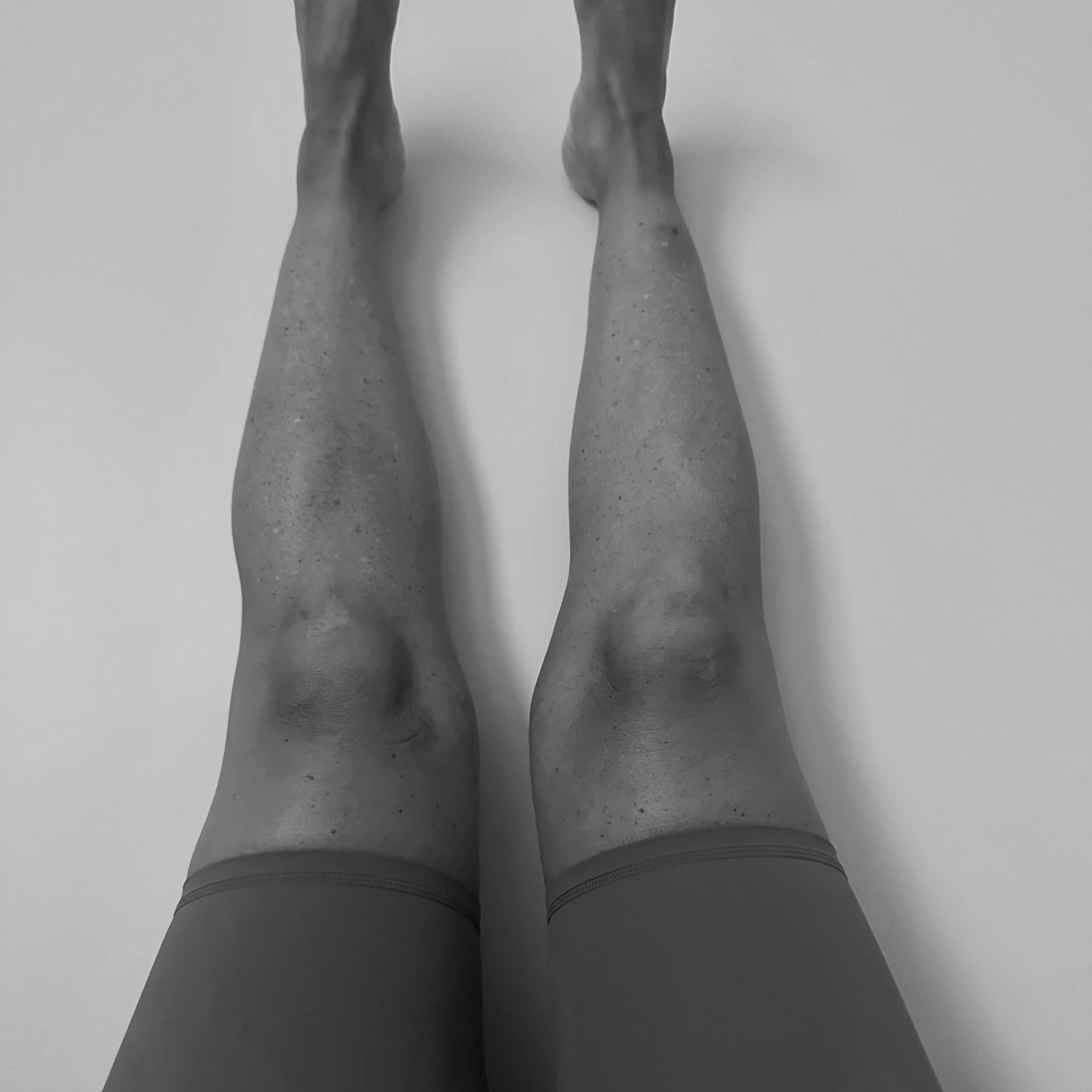
Nightly, I sit in my room, in the dark, and breathe. I put my legs up the wall and I lay in silence— a silence so still I can only hear the shallowness of my breath. I look at the scars on my body and feel their length, bumps, tightness and where I have no feeling at all. In this silence I still can’t hear God. And for every moment of joy I recount from the day or the week— the drive, a bite of a pastry, the song on the radio, the way the sunlight hit the tip of a palm tree leaf, an indulgent cup of quiet coffee, the way my underwear stayed up beneath my leggings on a morning walk, the tv show we watched together, bonding over ice cream sandwiches— there will always be a new challenge to confront. The financial strain, the desire to leave but knowing that I won’t— the burnout and wondering “Who will help me in 30 years if I need it? Who is going to love me this much to sacrifice their time and life? Will anyone protect me?”
I sit in a swamp of unknowns. I wish that cooking and walking could mask my grief and unease. I wish the beach breeze could blow it away— that the southern blue sky could swallow the worry whole.
I hope that if you’re going through this, or something similar, that you do not lose yourself. I hope that you let yourself feel. That you’re brave enough to say— “I’m scared”— and still manage to go on. Caregiving has the ability to strain and stain all relationships— bringing with it financial concerns while thoughts of the future lose their luster. I wish I could say that love changes all of it— maybe it changes some of it. Maybe? All I can pray for is a new day, a new chance to start over. I hope tomorrow will be better. And I hope that you will be better too.